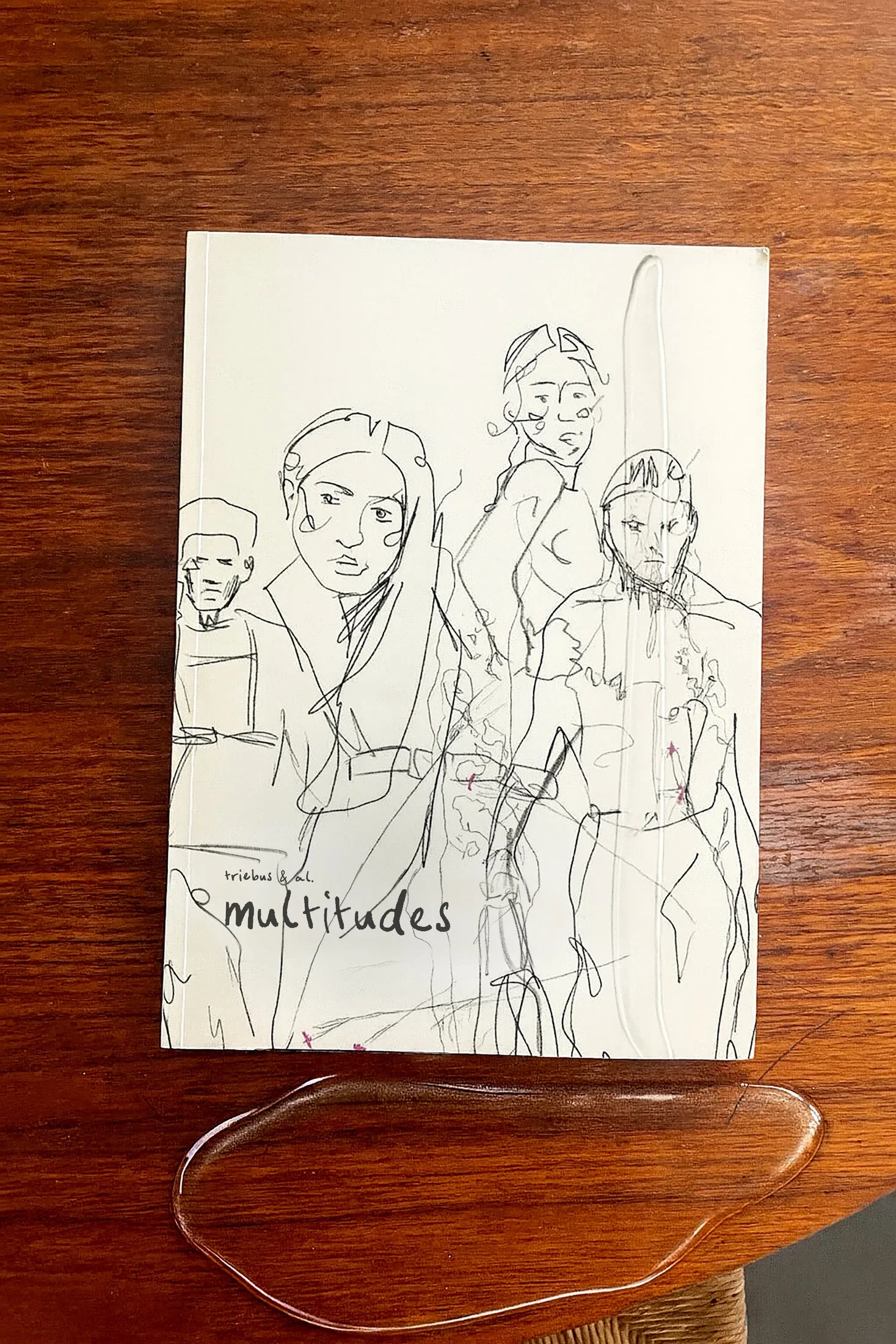
Multitudes
Charlotte Triebus
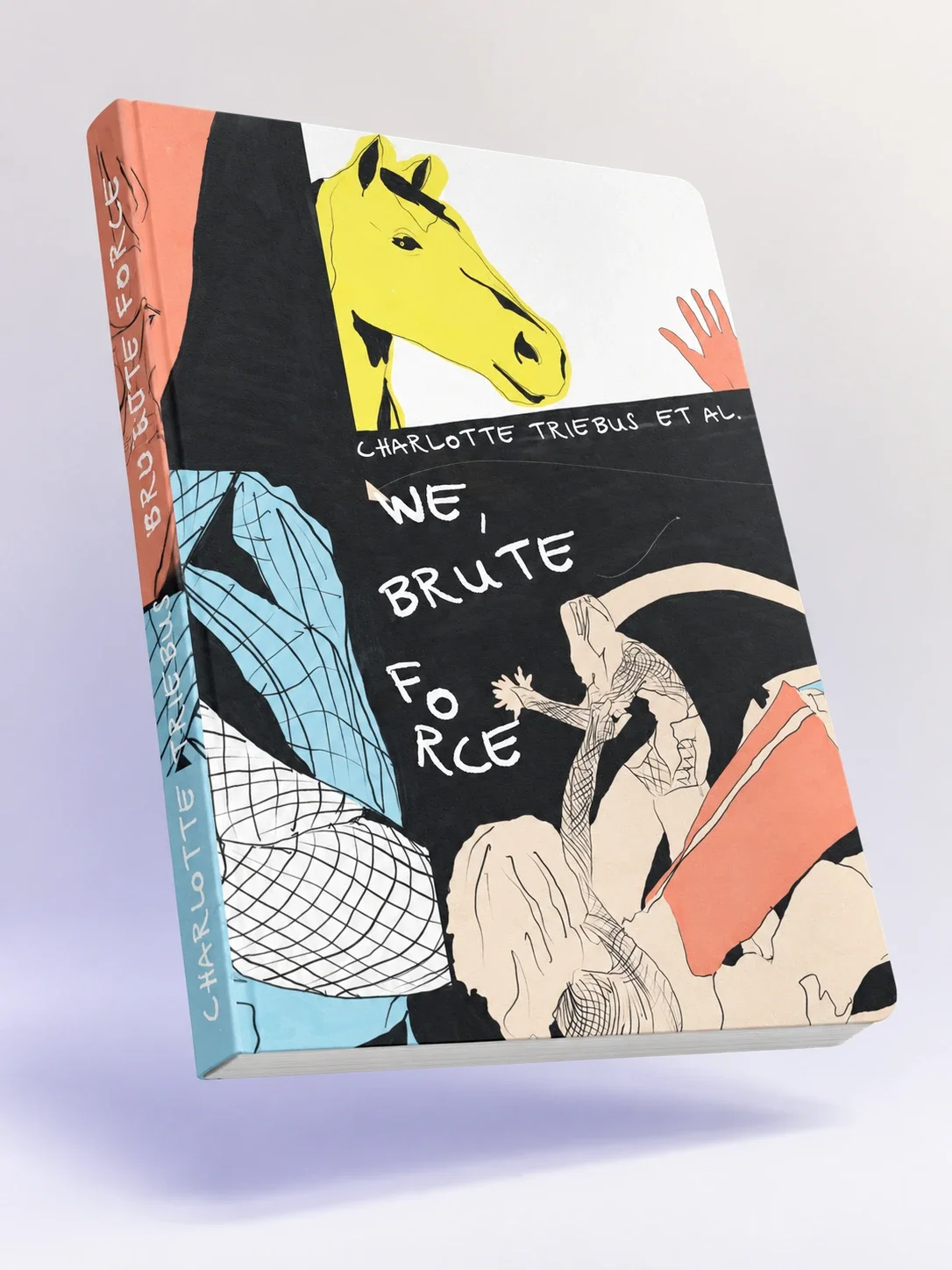
Graphic Novel, Augmented Reality
A graphic lecture on perception, bias, embodiment and the interpretation of bodies.
- Format
- Printed comic with augmented-reality elements
- Structure
- Five chapters
- Context
- Precious Camouflage
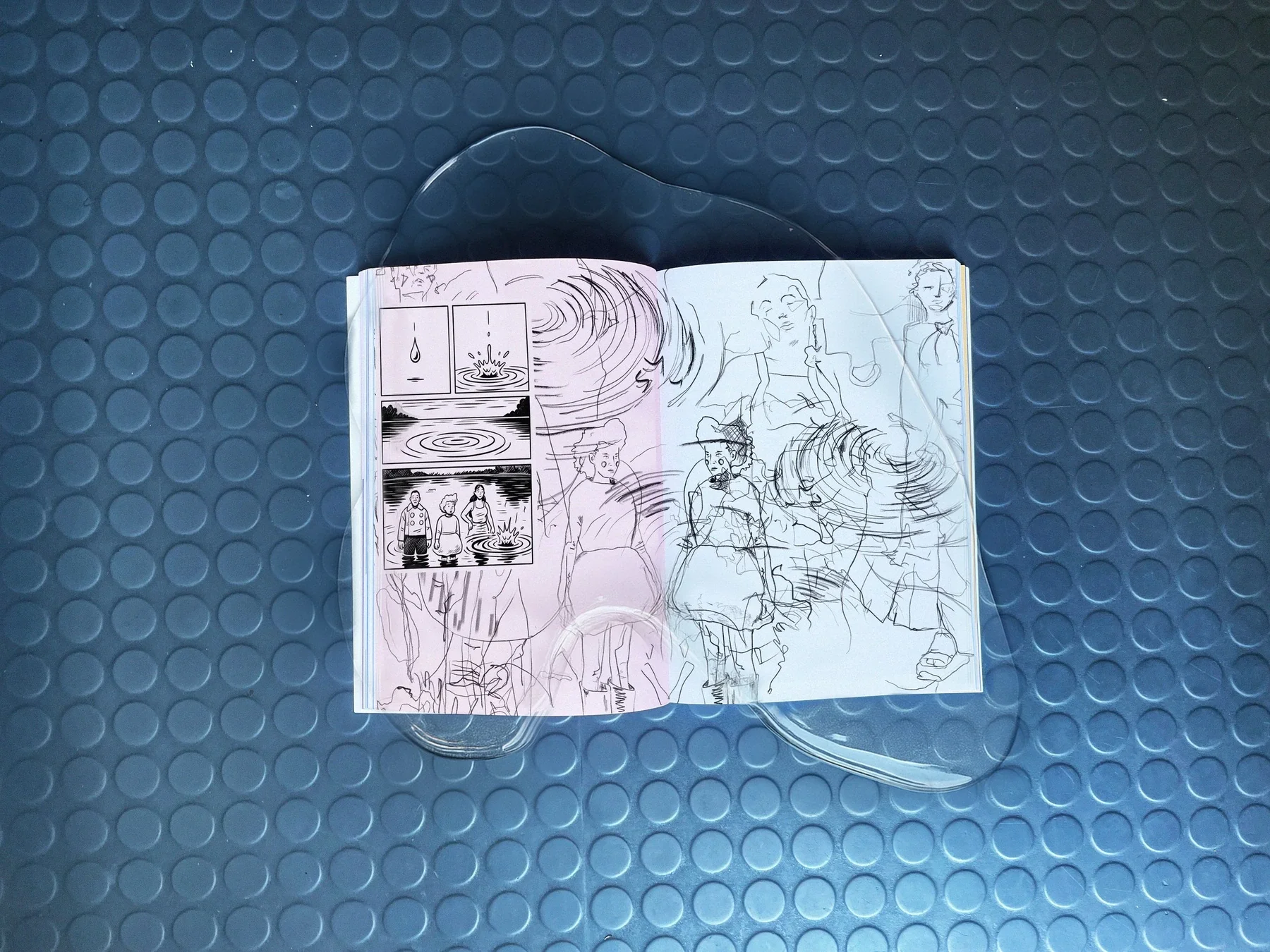
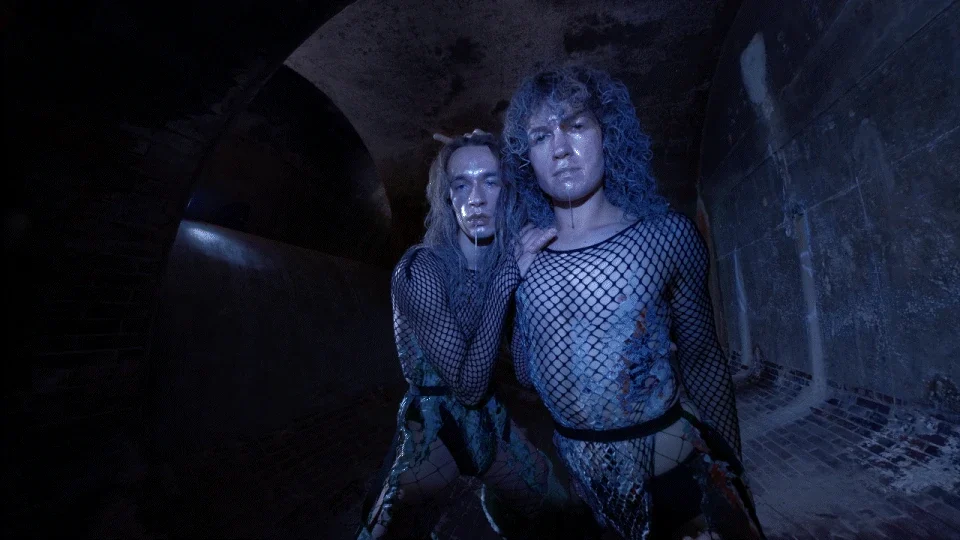
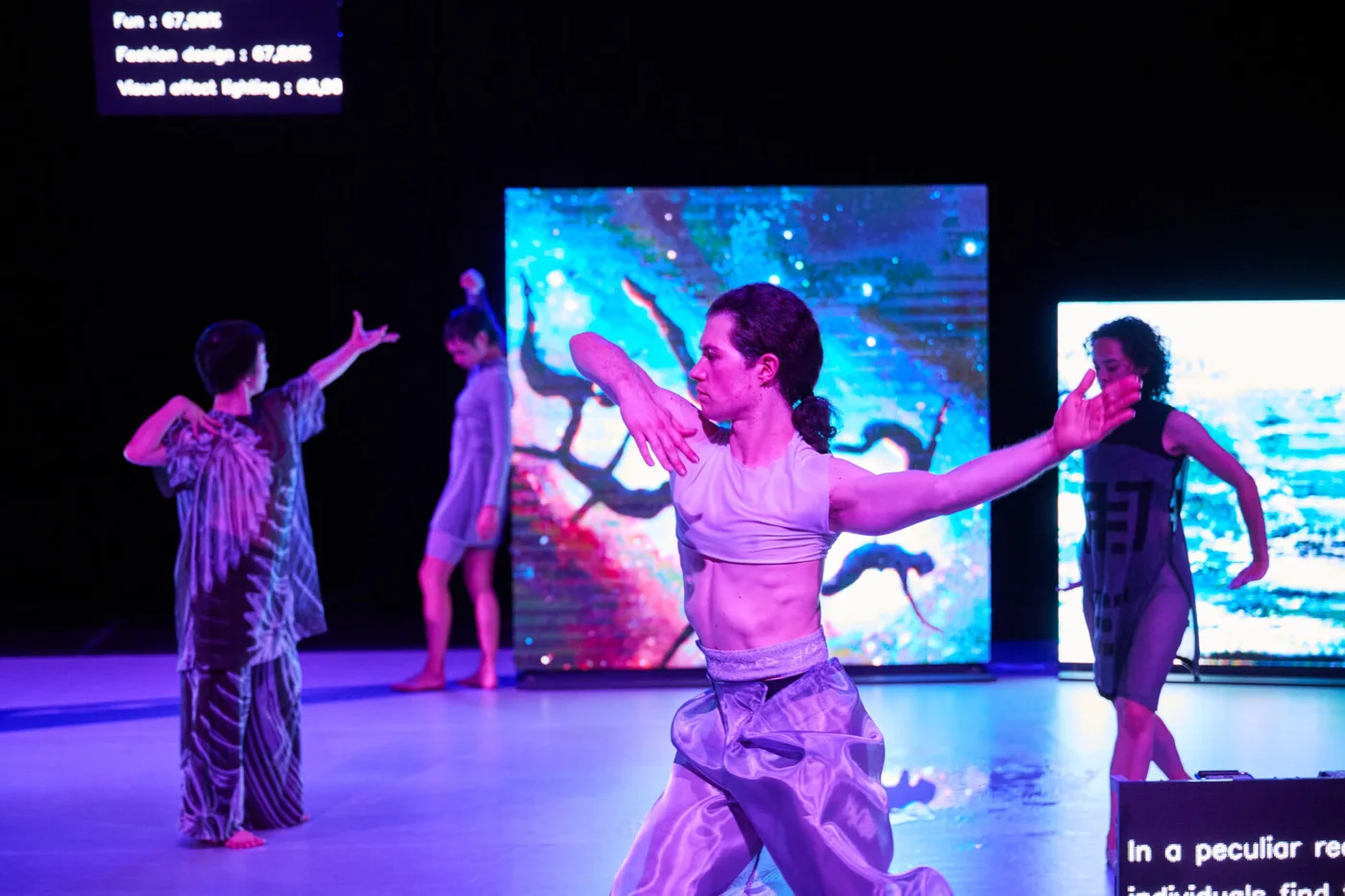
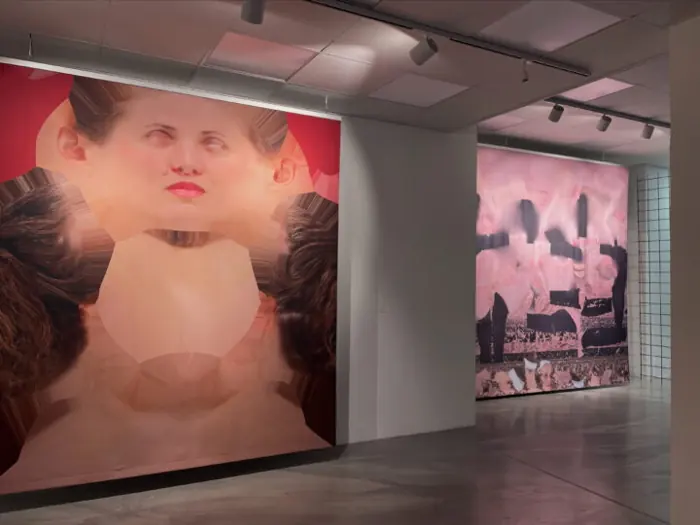
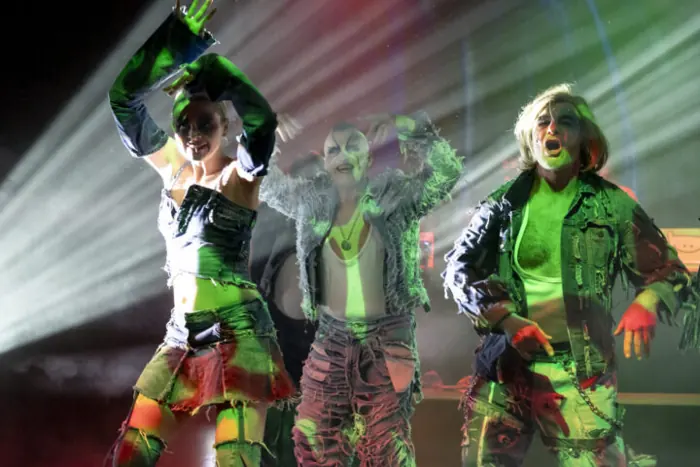
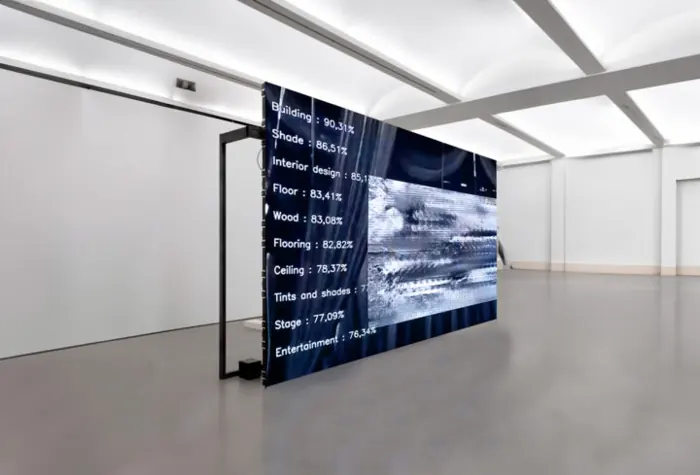
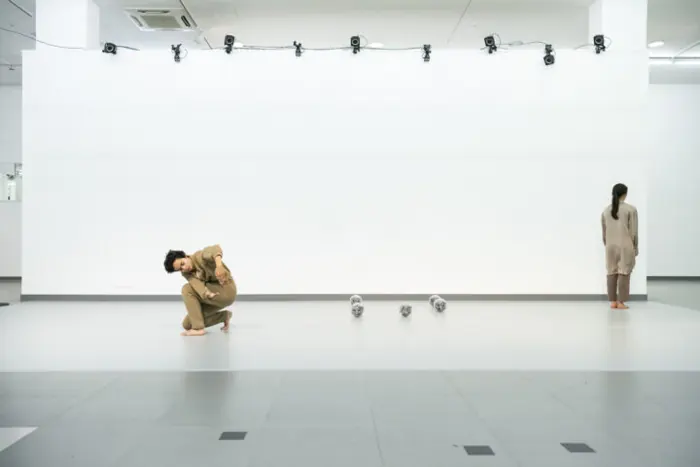
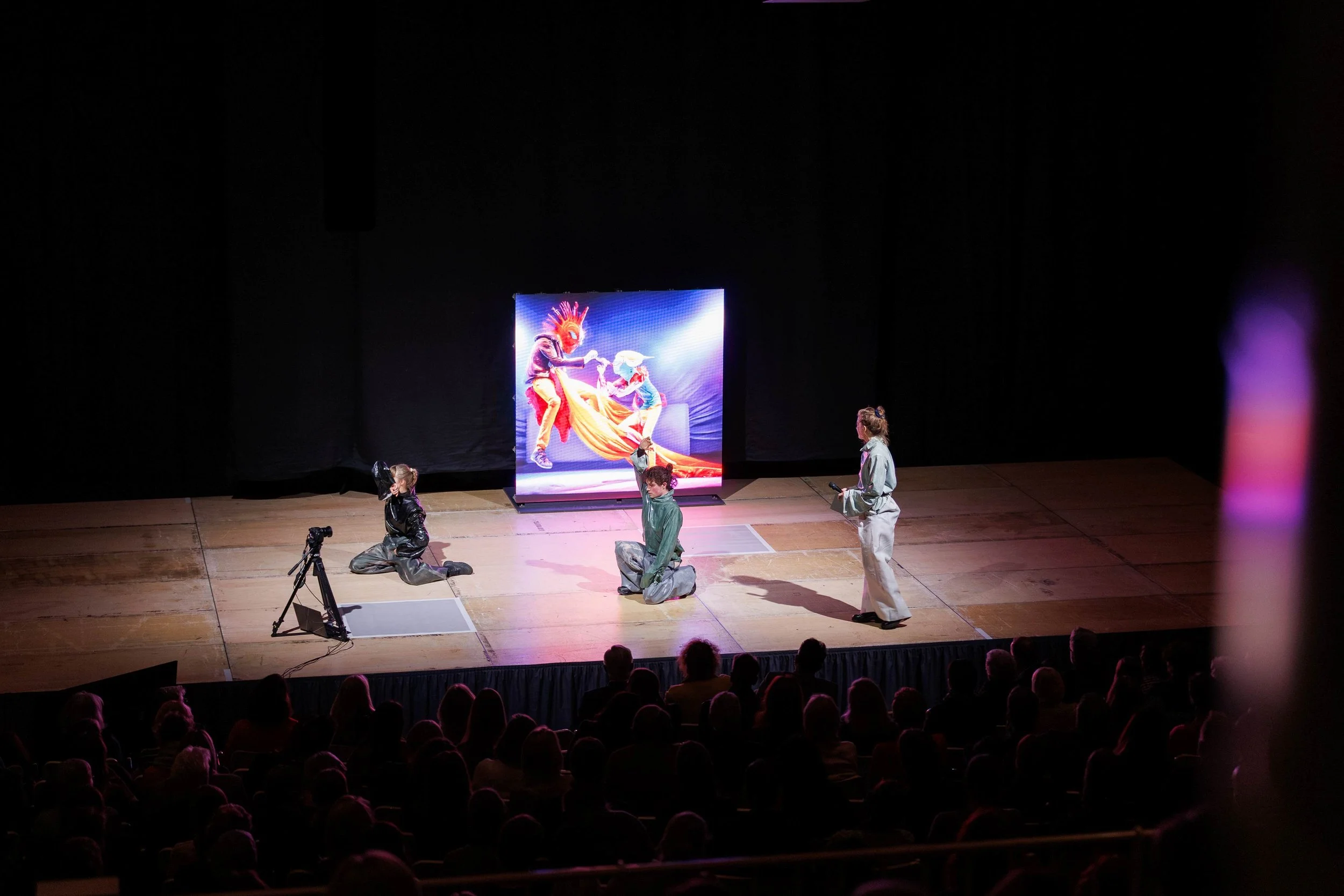
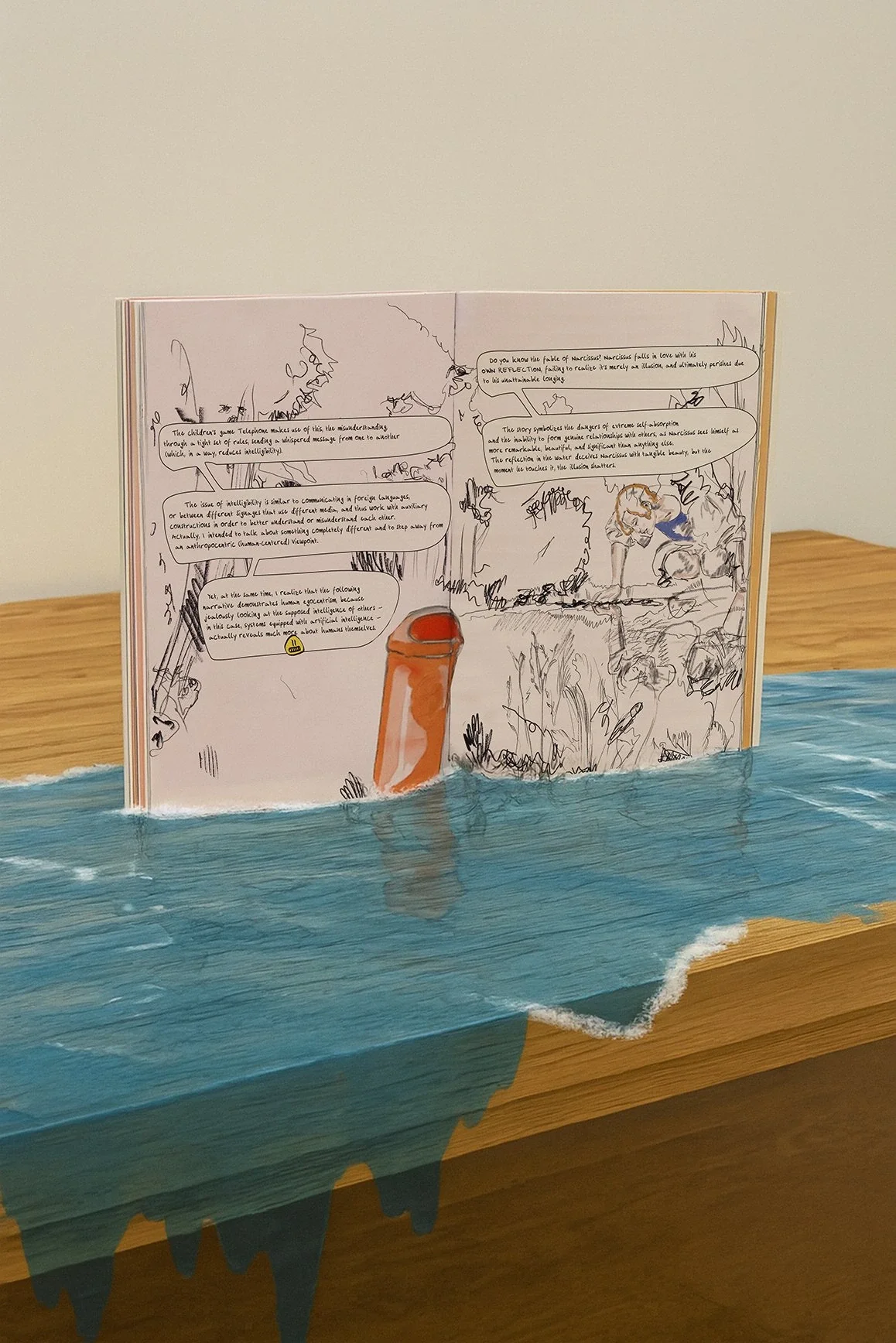
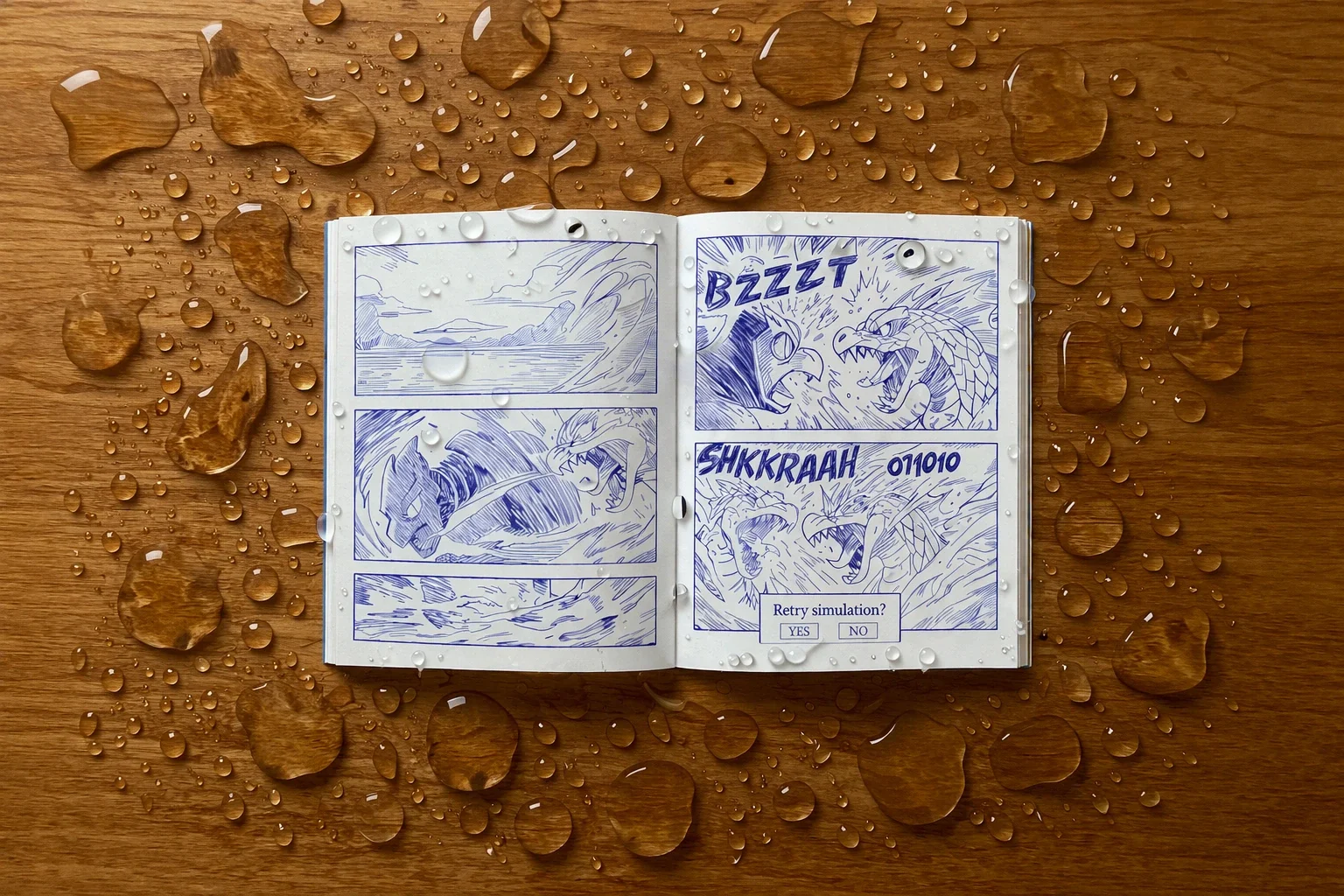
Developed through the research of Precious Camouflage, Multitudes brings mythology, computing and dance into a five-chapter graphic lecture. Drawings and fragments explore perception, embodiment and the aesthetics of misunderstanding.
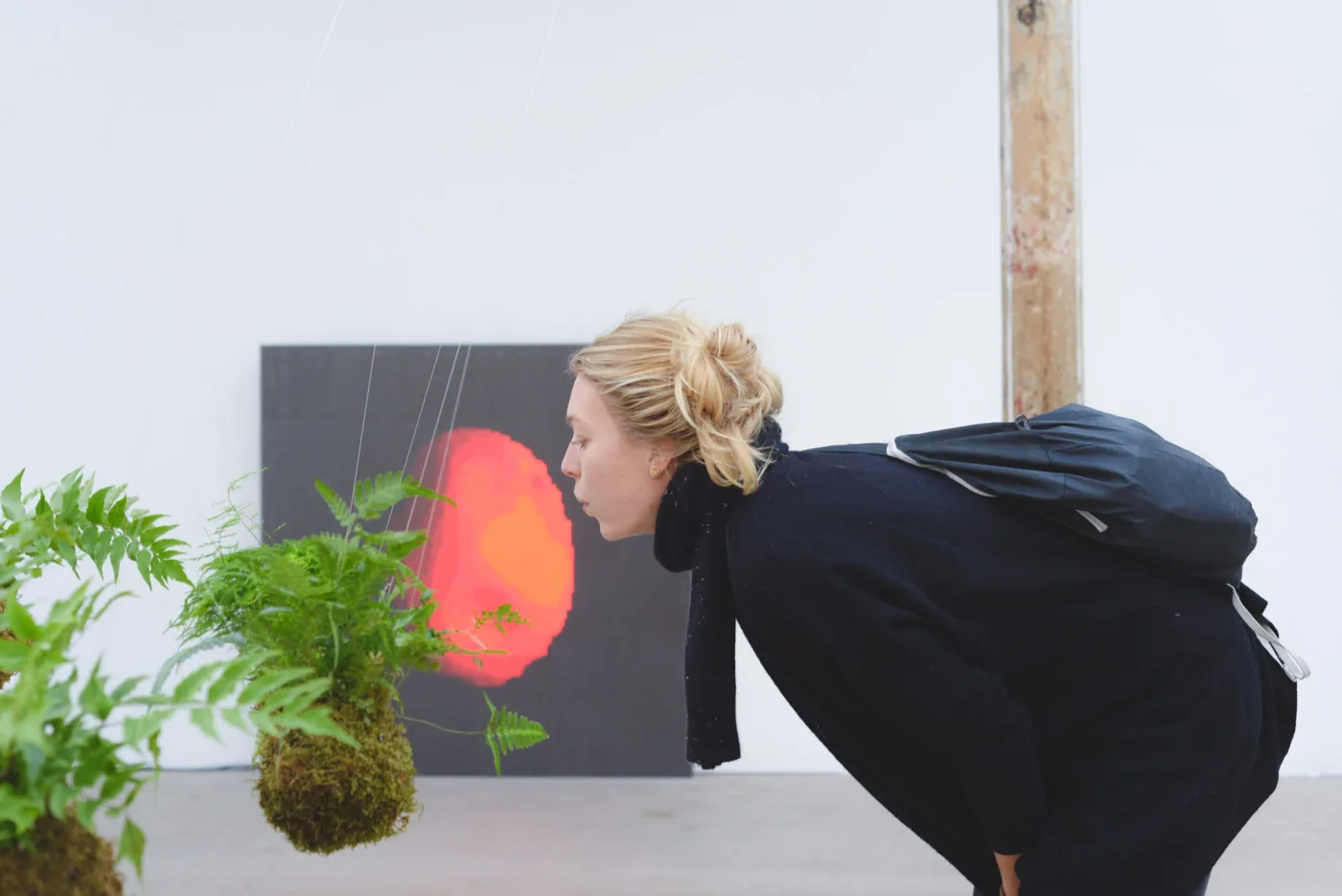
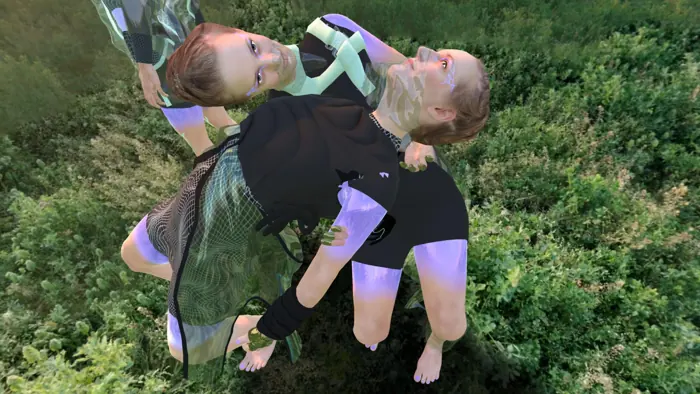
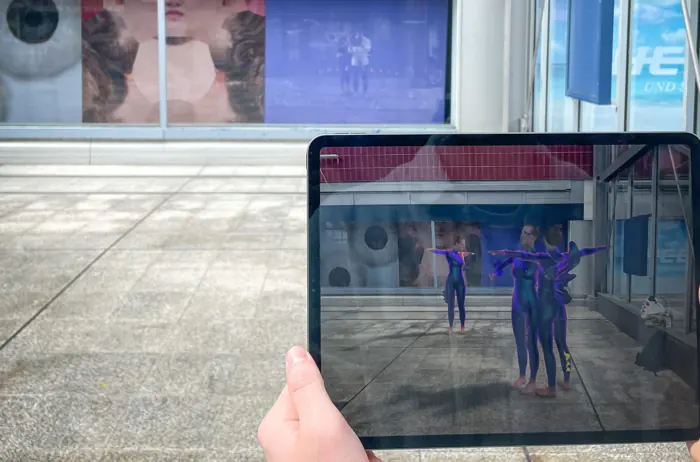
Augmented-reality elements extend the printed pages into movement, sound and the surrounding space.
Charlotte Triebus develops the concept, text and drawings in collaboration with the MIREVI team for the AR elements.
Four ways beyond the page
Document overlays
Documents become an additional layer of the reading experience.
Embodied spaces
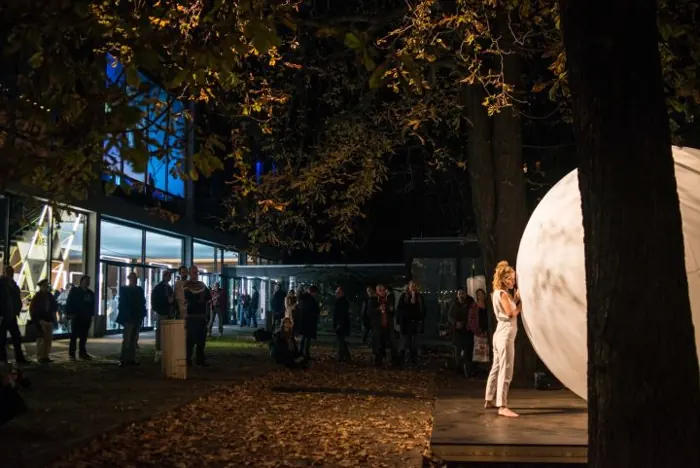
Bodily and spatial elements extend the printed work into the reader’s surroundings.
Interactive reflections
The reader enters the work as a participant in how meaning is produced.
Animated loops
Moving visual fragments carry the drawings into time.
The title refers to Legacy Russell’s Glitch Feminism and its insistence on contradiction, fluid identities and irreducible multiplicity. Multitudes becomes a speculative twin of Precious Camouflage: a parallel language of research rooted in drawing, fragments and poetic system failure.
Credits
- Artistic direction, drawings and text
- Charlotte Triebus
- Assistance
- Julie Farré
Tabby Flynn - AR Development
- MIREVI Lab
Tabby Flynn
Bastian Kämmerer
Andi Zielecki
Mirkan Kayatürk
Alexandros Kiakos
Production & support
Multitudes is a production of Charlotte Triebus, supported by Julie Farré and Tabby Flynn, in collaboration with MIREVI, with kind comments of many friends.
This project was developed as part of the research project Precious Camouflage at the MIREVI Lab, Düsseldorf University of Applied Sciences. It has been supported by the research project Theatre of Extended Realities, a collaboration between Theater an der Ruhr (Mülheim), MIREVI (Hochschule Düsseldorf), the Academy for Theatre and Digitality (Dortmund), and Dr. Jonathan Harth. It was funded by the Ministry of Culture and Science of the State of North Rhine-Westphalia as part of the NEUE WEGE program, in cooperation with the NRW KULTURsekretariat. This work was also funded by the German Federal Ministry of Research, Technology and Space (BMFTR) within the The Future of Value Creation – Research on Production, Services and Work program (funding code: 02L19C402).